• Add comment

    Today we are all equipped with a variety of social media and other technical ways to connect to people - Facebook, LinkedIn, Twitter, Skype, Instant Messaging, etc., to name a few. Along with this trend, a complacent acceptance of new meanings applied to the words "friend" and "follower" has emerged. Does the meaning of "friend" that you understood just a few years ago mean the same thing to you today? I don’t think it does. So what's changed?

    As useful and beneficial as these new technology products are to us, they also have changed what constitutes relationships. Essentially, they are what I call the "Me-Centric" approach to relationships. How many "Friends" do "I" have? How many "Followers" do "I" have? The focus is clearly on me. The relationships are quantity, rather than quality. They are unfocused, rather than focused. They are also, for the most part, public vs. private. So, they lack any sense of exclusivity. In other words, today's "friendships" are more of a commodity. Dare I even suggest they are a hyper-commoditized illusion of real relationships? Like you, I have enjoyed reconnecting with people from my past, but I would not say that these associations have produced any sustainable and substantive relationships. I simply enjoy it for what it is - a pleasant means of superficial connection in a wide, albeit shallow, landscape.

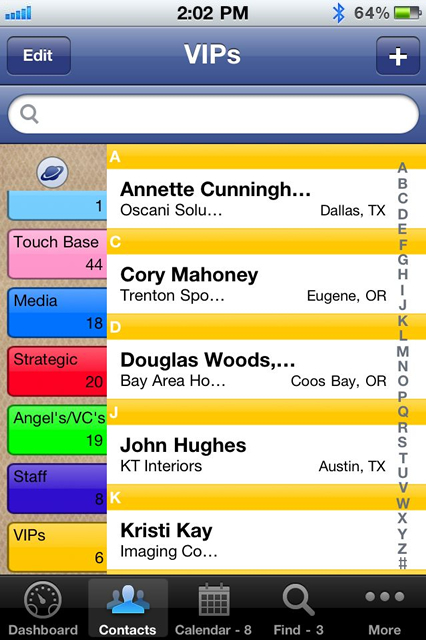
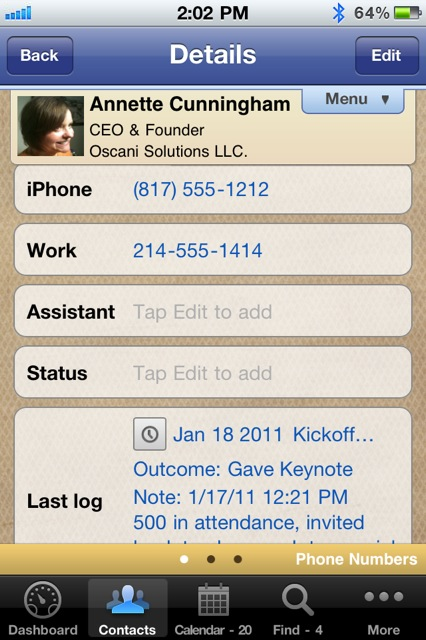
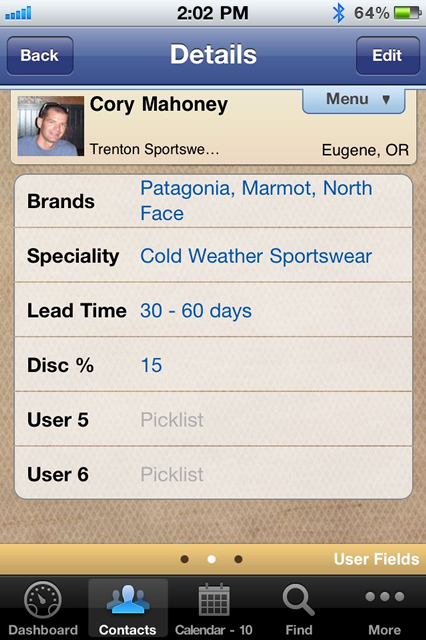
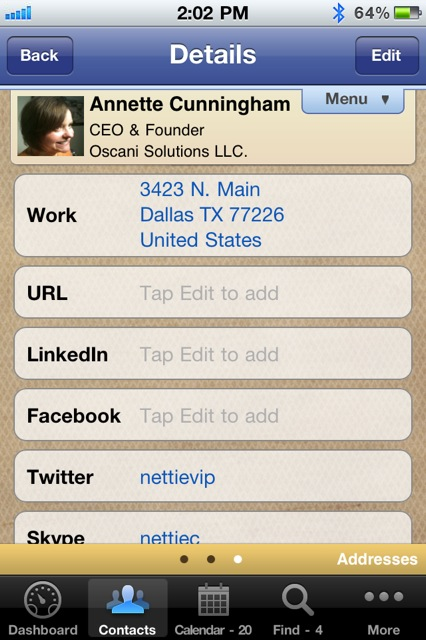
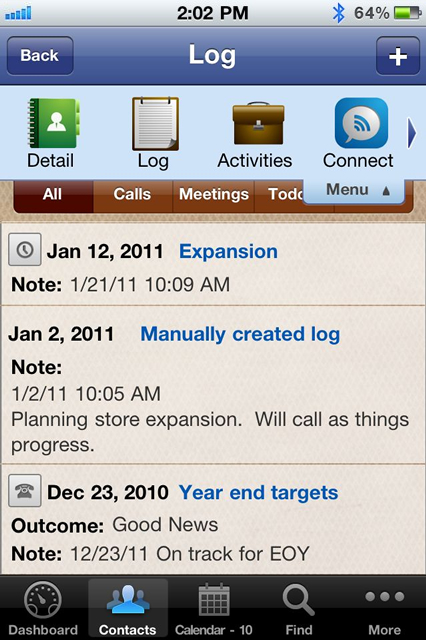
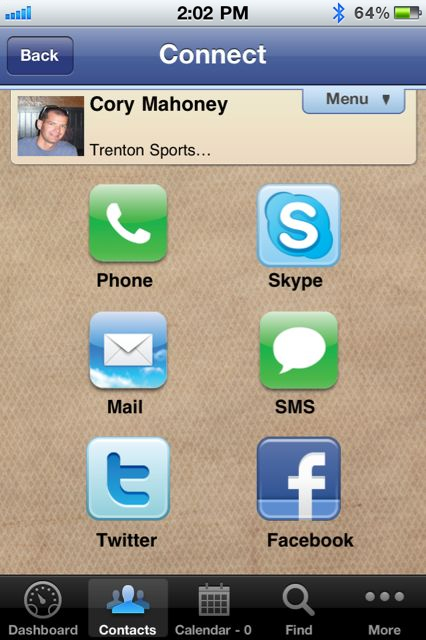
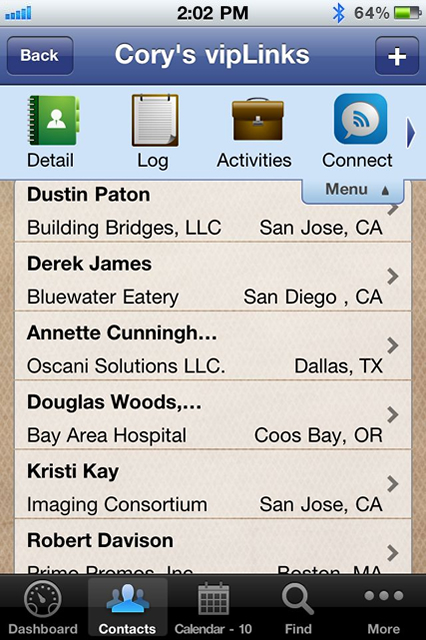
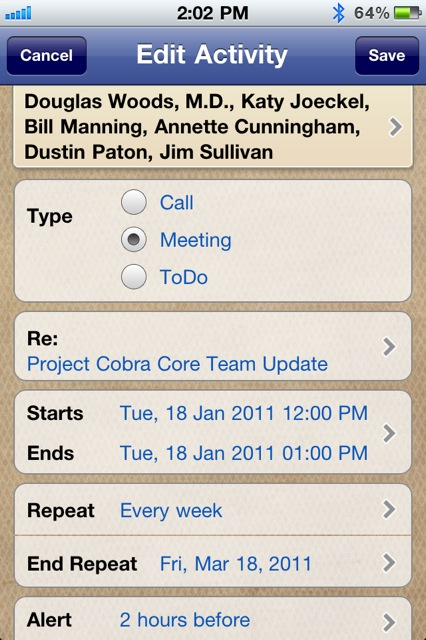
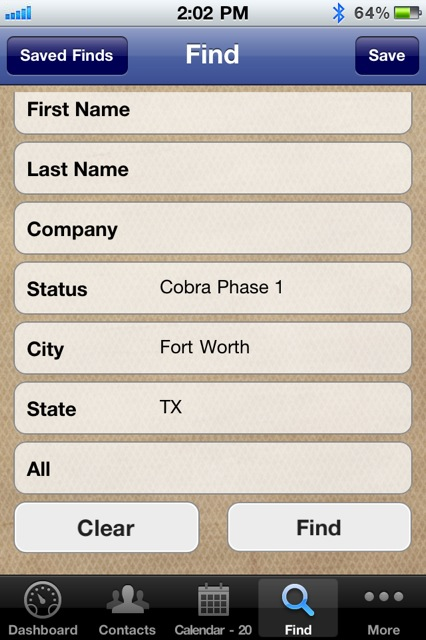
    Conversely, the "You-Centric" approach is focused on quality and value in the development of relationships. VIPorbit Mobile Relationship Management for the iPhone is specifically designed for this purpose, to assist you in creating not only more, but more effective, relationships. Contact management such that each relationship that you develop has an exclusive orientation. Exclusivity is an essential ingredient in the creation of value between two people. And, it's about others, not about you. What you know about others, exclusively rather than publicly, helps facilitate understanding about how to meaningfully contribute to the relationship. In other words, it is about delivering value, rather than deriving value, that elevates your value to your relationships. It’s about what you give, not just what you get. This relationship-building approach creates trust, respect and regard, and has the potential to produce sustainable mutual benefit. But like anything of value in life, it needs to be protected, regarded and maintained.

    Start building relationship value today with VIPorbit Mobile Relationship Management.

  • Add comment

    Apart from any planetary reference, Webster's Dictionary defines "Orbit" as "your sphere of influence and resources." What could be more useful and valuable than that as it applies to your relationships? This sphere, though, doesn't occur simply because we wish it so, or from new "friends" from Facebook, Twitter, or LinkedIn whom we have never met but are now "connected." Rather, it is created between people who each have, in one way or the other, both tangibly and intangibly, contributed mutual value to their relationship.

    Additionally, there is a wonderful derivative of this dynamic. Essentially, it is that the value of trust, once established, that exists in a relationship opens up access to each other's appropriate connections, from which exponential opportunity to replicate value resides. It is social networking at its finest, independent of technology and agnostic where it is applied. Why is it, when someone that you truly value and trust leaves their place of employment and now provides their services elsewhere, you follow them rather than staying with their original employer? Because it is, and always will be, about quality personal relationships. The more relationships that I can create, develop, maintain, and manage, the better. But it is the perceived and/or derived value from me that enables my access to their orbits.

    Social networking, with or without technology, may assist in the creation of social acquaintances, but they are a far cry from becoming an orbit of resource and influence or customer relationship value. An introduction to someone does not produce a trusted relationship, but can initiate the potential for it to become one. This is not the moment to focus on what you would like to obtain from a relationship, but rather what you can provide to the other person that will further their needs and interests. It is, in technology terms, the "data collection" phase, crucial to the ultimate outcome of what the relationship might become. Multiply this by the sheer amount of people with whom you are engaged, and you just might begin to realize the need for software called Relationship Management. A Relationship or Contact Manager is a tool you can use to easily collect, maintain, and refer to information in on-demand situations -- giving you instant access to precise details for a multitude of people, and demonstrating your attention to them. We all like it when people focus on us, but with relationship management, your first order of business is to focus on them. The more information you retain about them, the quicker the focus will come back to you.
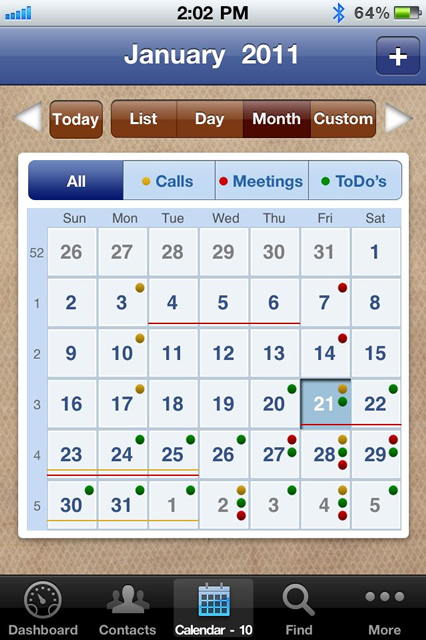
    None of this matters, though, without first having an attitude of importance about other people, and actually taking time to inquire, record, and maintain things that you learn from them. When they see that you have, you stand apart from others, and therefore have constructed the edifice of opportunity that then expands and deepens your orbits, your spheres of resource and influence.

    Take care, Mike

News & Special Offers